ChessBase Magazine
Sicilian 2...e6 3.d4 cxd4 4.Nxd4 Nf6
"Erigabava Sicilian"
Yago Santiago updates 1.e4 c5 2.Nf3 e6 3.d4 cxd4 4.Nxd4 Nf6 5.Nc3 Bb4!?
Our starting position arises after the moves 1.e4 c5 2.Nf3 e6 3.d4 cxd4 4.Nxd4 Nf6 5.Nc3 Bb4!?.
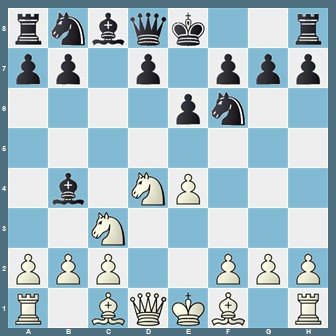
This Sicilian is called Pin Variation and used to have a bad reputation, until two of the most creative chess grandmasters, Erigaisi and Jobava, started to play it! That´s why I believe that this line deserves a new name. :)
So, let´s go to the concrete variations to understand why this opening today is an interesting surprise weapon - and more!
A) 6.Bd3
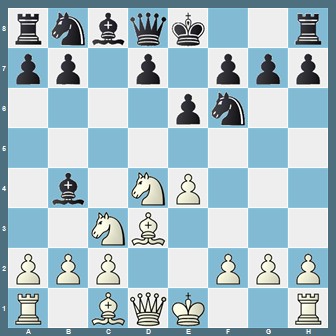
The second most popular move in classical games, the most frequent move in blitz, and if you are a club player, it´s definitely the move you will face the most. 6...d6. Very important: we will put our pawns on dark squares to compensate for the absence of our bishop, which will soon be exchanged for the white knight on c3. 7.0-0 0-0 and now White has some options.
A1) 8.Bg5
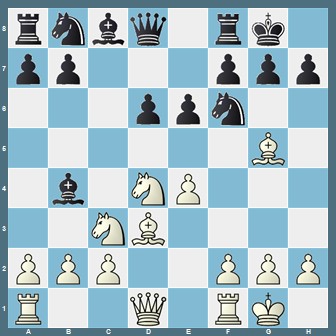
A very natural way to play with White, but Black has a concrete plan to equalise the position: Put the pawns on dark squares! 8...h6 9.Bh4 g5!N (9...Nbd7 occurred in Ferreira,V - Yakimova,M 0-1, but after 10.Nce2! White's position is easier to play) 10.Bg3 Bxc3! 11.bxc3 e5!. With the king's bishop gone, our pawns do the work on the dark squares. 12.Ne2 Be6
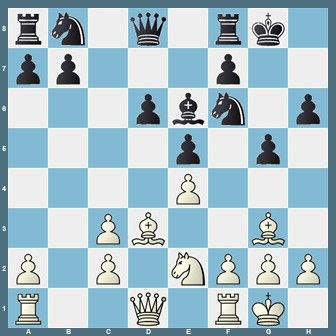
followed by ...Nbd7 and ...Rc8 with good counterplay against the weak white pawn structure.
A2) 8.Bd2
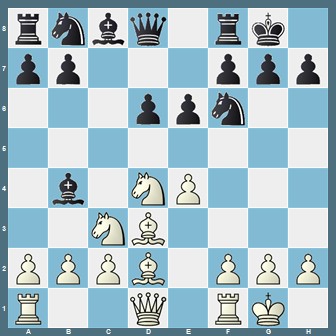
White preserves their pawn structure with this move, but it´s a little bit passive. 8..Nc6. Black reacts with pressure on d4. 9.Nce2 Bc5 10.Bc3 e5! 11.Nb3?! (11.Nxc6N bxc6 12.h3 Be6 and Black is fine anyway) 11...Bb6!
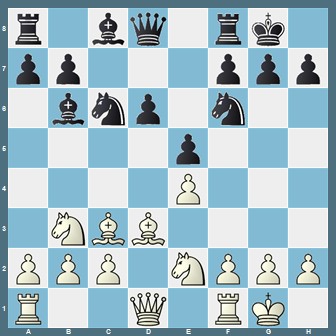
and after just eleven moves Black is better, as we can see in the game Gaehwiler,G - Jobava,B 0-1.
A3) 8.Nce2
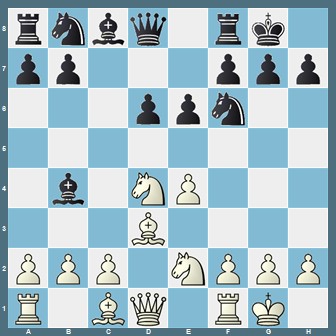
This knight move was tried by Gukesh two years ago. White´s idea now is to play Nb3 and hunt the bishop b4. 8...Bc5!. Important prophylaxis against White's positional threat. 9.c3 e5!. And again, this pawn advance is the move of choice for Black. 10.Nf3 Be6 11.Ng3 Nbd7 12.Re1 Re8 13.Be3 Qc7
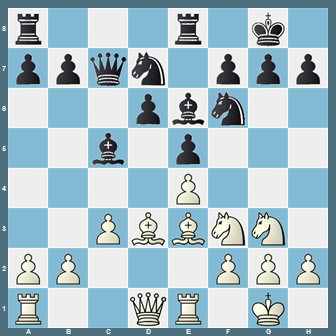
and Black was very solid in the game Gukesh,D - Erigaisi,A ½-½.
B) 6.e5
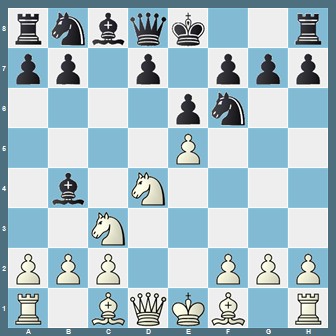
The most challenging move, and for a long time it was considered almost the refutation of the line. 6...Nd5! is forced (6...Ne4?? 7.Qg4! Nxc3 8.Qxg7! Rf8 9.a3! Ba5 10.Bh6! Qe7 11.Nb3!+-), and now, White has some options again.
B1) 7.Bd2
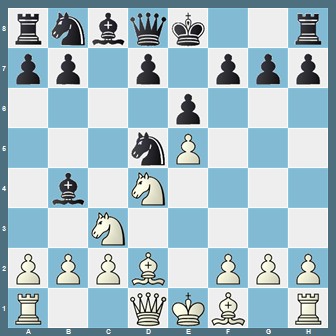
The most played and natural move here. 7...Nxc3 8.bxc3! (8.Bxc3? Bxc3+ 9.bxc3 Qc7 is just much better for Black) 8...Bf8!. A new trend. The move may seem absurd, but it anticipates the common white idea in such positions of Qg4 attacking the pawn on g7. 9.Bd3 Na6!
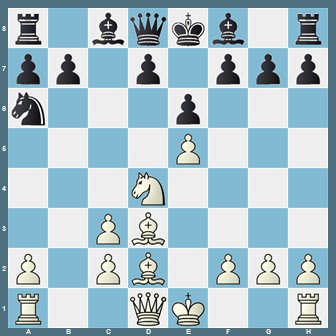
A very important move, the knight is aiming for the c5 square. 10.0-0 Nc5 11.Re1 b6! 12.Qg4 h5!. We will see this move in a lot of positions when White plays Qg4. 13.Qf4 Bb7 14.a4 Be7 15.a5 bxa5 16.Nb3 g5! 17.Qd4 Nxb3 18.cxb3 Qb6!
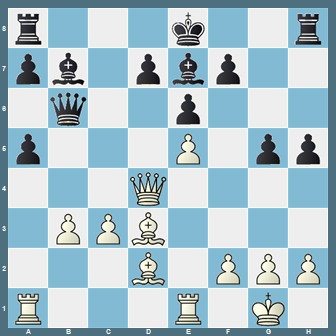
and Black equalises, as we can see in the game Van Foreest,J - Erigaisi,A 0-1.
B2) 7.Qg4
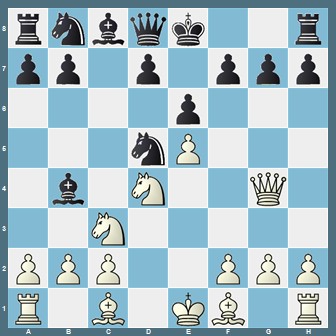
An interesting and popular move. But again we have a trendy reply. 7...Kf8! 8.Bd2 h5!. Our thematic move. 9.Qg3 h4! 10.Qg4 Nc6 11.Nxc6 bxc6 12.Ne4 Rb8!
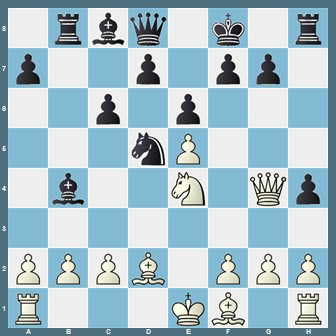
and Black has very active play, as we can see in the game Baklan,V - Jobava,B 0-1.
C) 6.Qd3
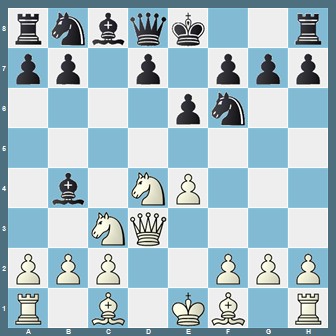
This move looks awkward to me, but was played by none other than Abdusattorov. 6...0-0 and as usual on move 7, White has some options.
C1) 7.Bd2
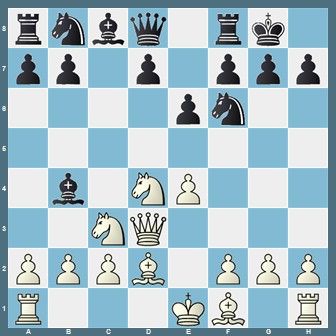
The most played move. But Black can equalise in more than one way, for example 7...e5!? 8.Nb3 d6 9.a3 Bxc3 10.Bxc3 Be6
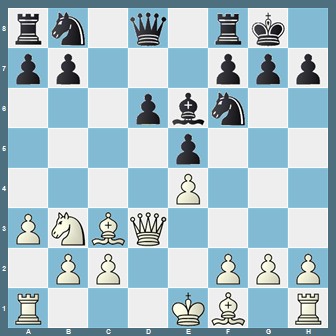
and here Black even fights for advantage, as we can see in my game Hrebenshchykova,Y - Santiago,Y 0-1.
C2) 7.e5
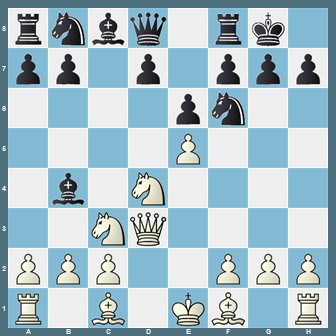
7...Nd5 8.Bd2 d6!?. This thematic move contains a small trap. 9.Nxd5?! Bxd2+ 10.Qxd2 dxe5!.
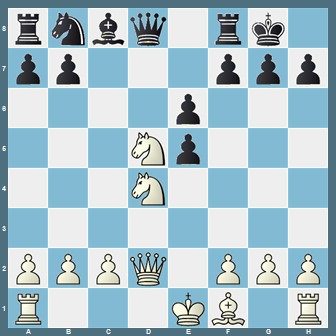
The point. 11.Nxe6 Bxe6 and Black has a small advantage, like in the game Song,Y - Muzychuk,A ½-½.
Conclusion: Having worked through this article, we have in our hands a powerful surprise weapon in classical games, and an even more powerful weapon in rapid and blitz! Also, our line is quite straightforward, and we enter it on as early as on move 5, which makes our preparation easier and is sure to boost the results.